
Crowdfunding in Africa: How Collective Capital Is Funding the Continent's Future
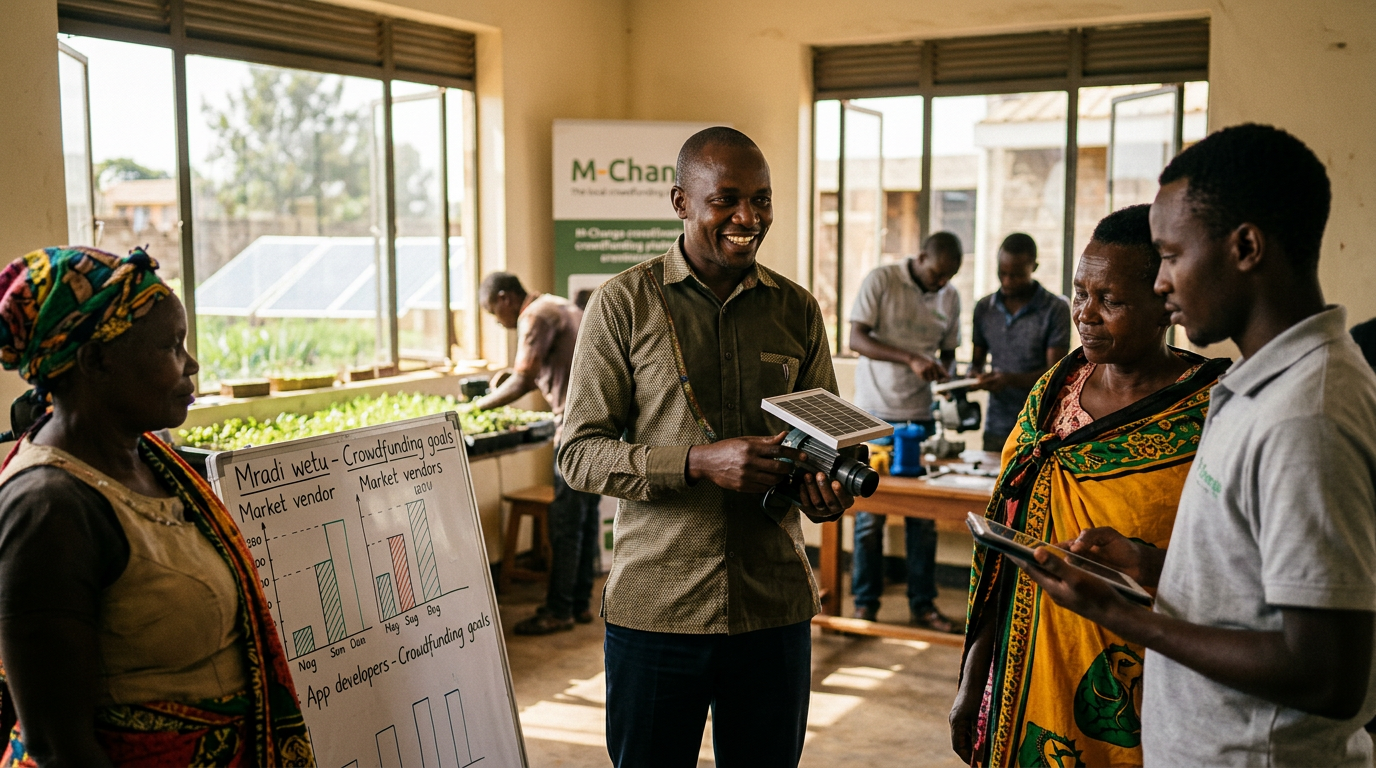
A comprehensive analysis of crowdfunding in Africa — equity crowdfunding, rewards-based platforms, real estate crowdfunding, and the emerging infrastructure for collective investment in African ventures.
The conventional startup funding model — pitching to professional investors who deploy institutional capital — serves a small minority of African founders. The vast majority of African entrepreneurs, building businesses that are too early for VC, too small for development finance, and too large for friends-and-family capital, fall through the gaps in the formal investment infrastructure. Crowdfunding — the mobilisation of capital from large numbers of small contributors — offers a genuine alternative pathway that is growing across the continent.
Types of Crowdfunding Relevant to African Founders
Rewards-Based Crowdfunding
Rewards-based crowdfunding — where backers receive a product, experience, or recognition in exchange for their contribution rather than equity or financial return — is the oldest and most globally established crowdfunding model, embodied by Kickstarter and Indiegogo. In African contexts, rewards crowdfunding has found its strongest application in creative projects (music, film, visual art), social enterprises with compelling missions, and consumer product launches where pre-orders provide both capital and market validation simultaneously.
South African platform Thundafund has been among the most active African rewards crowdfunding platforms, facilitating campaigns for creative projects, social impact initiatives, and small business launches. The platform's success has demonstrated that African consumers and diaspora communities will contribute to projects they care about — but that campaigns require compelling storytelling and strong social sharing to generate the reach needed for success.
Equity Crowdfunding
Equity crowdfunding — where investors receive shares in a company in exchange for their investment — is the fastest-growing crowdfunding category in Africa and the one with the most significant implications for startup financing. Platforms including Crowdcube (UK-based with African operations), Letsema (South Africa), and several others enable African companies to raise capital from large numbers of small investors, each taking a small equity stake.
The regulatory environment for equity crowdfunding varies significantly across African countries — South Africa's Financial Sector Conduct Authority has the most developed framework, while most other African jurisdictions have limited specific regulation, creating both legal uncertainty and compliance flexibility. For companies raising under relevant legal thresholds, equity crowdfunding provides an alternative to institutional investment that can mobilise diaspora investment efficiently.
Real Estate Crowdfunding
Real estate crowdfunding — enabling small investors to participate in property investment through fractional ownership platforms — has found significant traction in African markets where property investment has historically required substantial capital and provided the primary wealth-building mechanism for the middle class. Kenyan platforms including Cashflows Africa and South African platforms including Easy Properties are enabling investment in commercial and residential property from amounts as low as KES 10,000 or ZAR 500, democratising an asset class previously restricted to wealthy investors.
Diaspora Crowdfunding: The Most Significant Opportunity
The African diaspora — estimated at over 40 million people globally, generating remittances of over $90 billion annually — represents the most significant underexploited capital pool for African crowdfunding. Diaspora Africans have strong emotional connection to their countries of origin, financial capacity well above average relative to local investors, and growing interest in investment vehicles that allow them to participate in African economic development beyond pure remittances.
Platforms specifically designed for diaspora investment — including Homestrings (now restructured), and several country-specific diaspora bond and equity platforms — have demonstrated that diaspora capital can be mobilised for African investment. The challenge has been building trust: diaspora investors are often sceptical of investment platforms from their countries of origin based on historical experience of fraud and poor governance. Platforms that have succeeded in the diaspora market have done so by maintaining transparent reporting, clear exit frameworks, and credible governance structures that address these trust concerns directly.
What Makes a Successful African Crowdfunding Campaign
Analysis of successful versus unsuccessful African crowdfunding campaigns reveals consistent patterns. Successful campaigns share: a compelling human story that connects the project or company to a larger mission that potential backers care about; a clear and credible team visible through video and personal profiles; a specific, achievable funding goal with clear explanation of how the capital will be used; active social media presence that drives traffic to the campaign page; and early momentum — campaigns that reach 30% of their target in the first week consistently convert at higher rates than those that start slowly. The crowdfunding campaign itself is a marketing exercise as much as a fundraising exercise; founders who treat it as passive capital collection consistently underperform those who actively drive awareness and conversion.