
Mobile Commerce in Africa: How the Smartphone Became the Continent's Cash Register
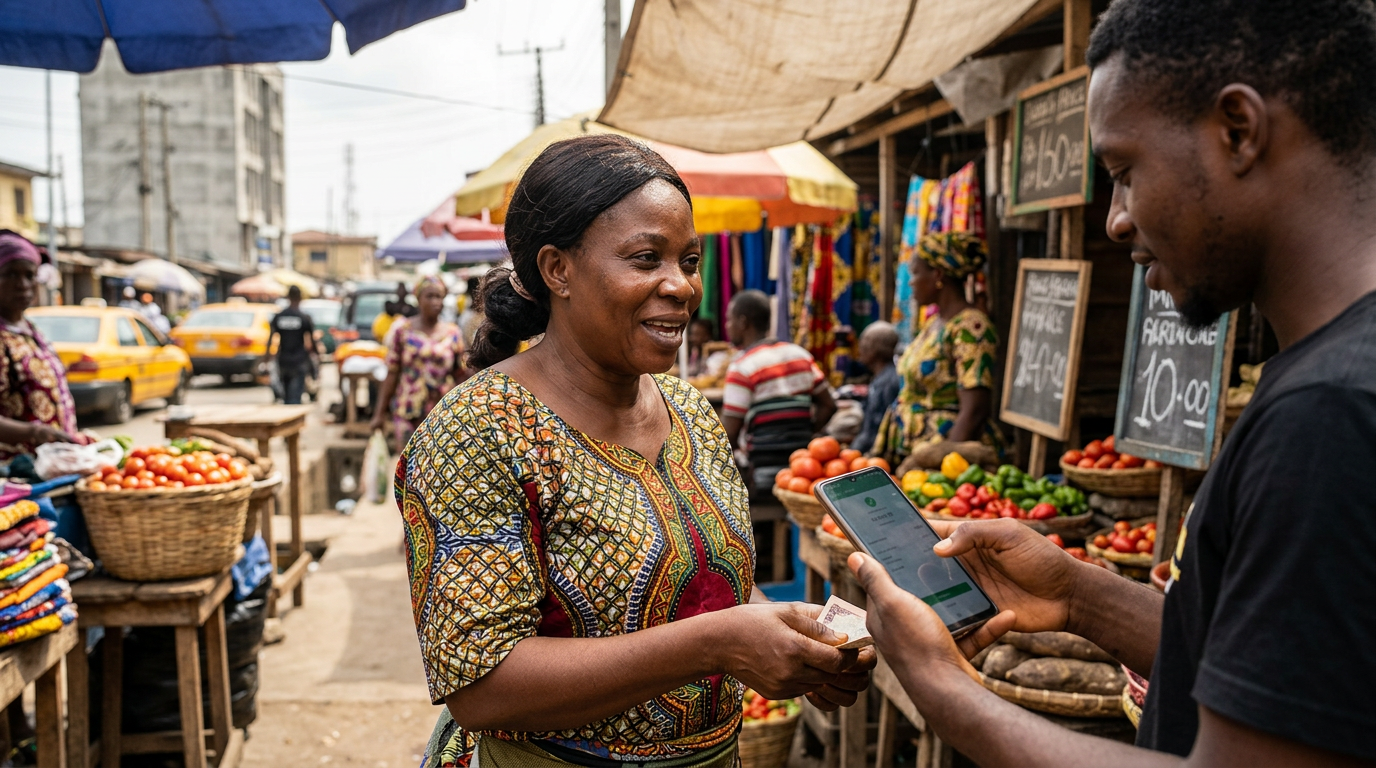
An analysis of mobile commerce trends across Africa — how mobile money, smartphone penetration, and mobile-first consumer behaviour are creating a commerce infrastructure unlike anywhere else in the world.
In most developed markets, e-commerce began on desktop computers and gradually migrated to mobile as smartphones became ubiquitous. Africa skipped this evolution entirely. The continent's digital commerce infrastructure was built mobile-first from the beginning — because for the majority of African consumers, a smartphone is not a second screen but the only screen. This leapfrog dynamic has created a mobile commerce ecosystem with distinctive characteristics: deeper integration with mobile money, greater dependence on messaging-based commerce, and consumer behaviour shaped entirely by the constraints and possibilities of small-screen, mobile data-connected environments.
Mobile Money: The Foundation of African Mobile Commerce
The foundational infrastructure enabling African mobile commerce is mobile money — the ability to send, receive, and store money using a basic mobile phone without a bank account. M-Pesa in Kenya and Tanzania, MTN Mobile Money across West and Central Africa, Orange Money in Francophone Africa, and Airtel Money across the continent collectively process over $700 billion in transactions annually and serve over 400 million registered accounts.
Mobile money is not merely a payment mechanism — it is the infrastructure on which African mobile commerce is built. When a Nairobi consumer buys a second-hand smartphone on Facebook Marketplace and pays via M-Pesa, or when a Dakar trader restocks their inventory from a supplier accepting Orange Money, or when a Lagos business pays a freelance designer via bank transfer initiated from a mobile banking app, mobile money infrastructure is enabling commercial transactions that would otherwise require cash handling or bank access that many participants lack.
WhatsApp Commerce: Africa's Most Significant Mobile Commerce Channel
The most distinctively African mobile commerce channel — and the one most invisible to conventional e-commerce analysis — is WhatsApp commerce: the buying and selling of products and services through WhatsApp conversations. Across the continent, millions of small businesses operate entirely or primarily through WhatsApp: sharing product catalogues in group chats and broadcast lists, receiving orders via individual messages, coordinating delivery and payment through the same interface, and managing customer relationships through ongoing chat threads.
The scale of WhatsApp commerce is difficult to measure precisely — it is largely invisible in formal e-commerce statistics — but available evidence suggests it may represent more transaction value than all formal e-commerce platforms combined in some African markets. A 2023 survey of Nigerian SMEs found that over 70% conducted significant portions of their business through WhatsApp. Kenyan and Ghanaian market research shows similar patterns. WhatsApp Business — the dedicated business version of the platform with catalogue, quick reply, and automated greeting features — has been adopted by millions of African businesses and is increasingly the primary storefront for small and medium enterprises that lack the capital or technical capacity for a formal website.
Social Commerce: Instagram, TikTok, and the Visual Discovery Model
Social commerce — the integration of product discovery and purchasing within social media platforms — is growing rapidly across Africa, particularly among urban youth demographics. Instagram has become a primary sales channel for African fashion, beauty, and lifestyle brands, with the platform's visual format and shopping features enabling direct transaction from discovery to purchase within a single session. TikTok's commerce features — including live shopping and product links in videos — are generating significant transaction volume in Nigeria and South Africa, following patterns established in China where TikTok-parent ByteDance's commerce operations are enormous.
The USSD Commerce Channel: Reaching the Non-Smartphone User
While smartphone-based mobile commerce dominates analysis and investment attention, a significant and often overlooked mobile commerce channel serves the substantial African population that does not yet have smartphones: USSD (Unstructured Supplementary Service Data) — the text-based menu system that works on basic feature phones without internet connectivity. USSD-based commerce enables product browsing, ordering, and payment on handsets that cannot access any web-based service. Agricultural input ordering, airtime purchasing, and basic financial services are among the most active USSD commerce categories. As smartphone penetration increases, USSD commerce's relative importance will decline — but for the next 5–10 years, it remains a significant channel for reaching lower-income rural consumers that smartphone-first strategies exclude.
What Mobile Commerce Means for Entrepreneurs
The practical implication for African entrepreneurs building commerce businesses is clear: mobile-first is not a design choice — it is the minimum requirement for relevance. Any e-commerce product, marketplace, or retail service that is not designed primarily for smartphone usage, mobile payment methods, and the low-bandwidth, intermittent connectivity conditions of African mobile internet users will systematically exclude the majority of its potential market. Design for mobile data efficiency (minimise the data required to browse and transact), support multiple payment methods (mobile money, USSD, card, and cash-on-delivery), and build customer service around the messaging channels (WhatsApp primary, SMS backup) that African consumers actually use — not those that Western e-commerce conventions assume.