
Tanzania Opportunity Report 2025: East Africa's Quietly Growing Opportunity
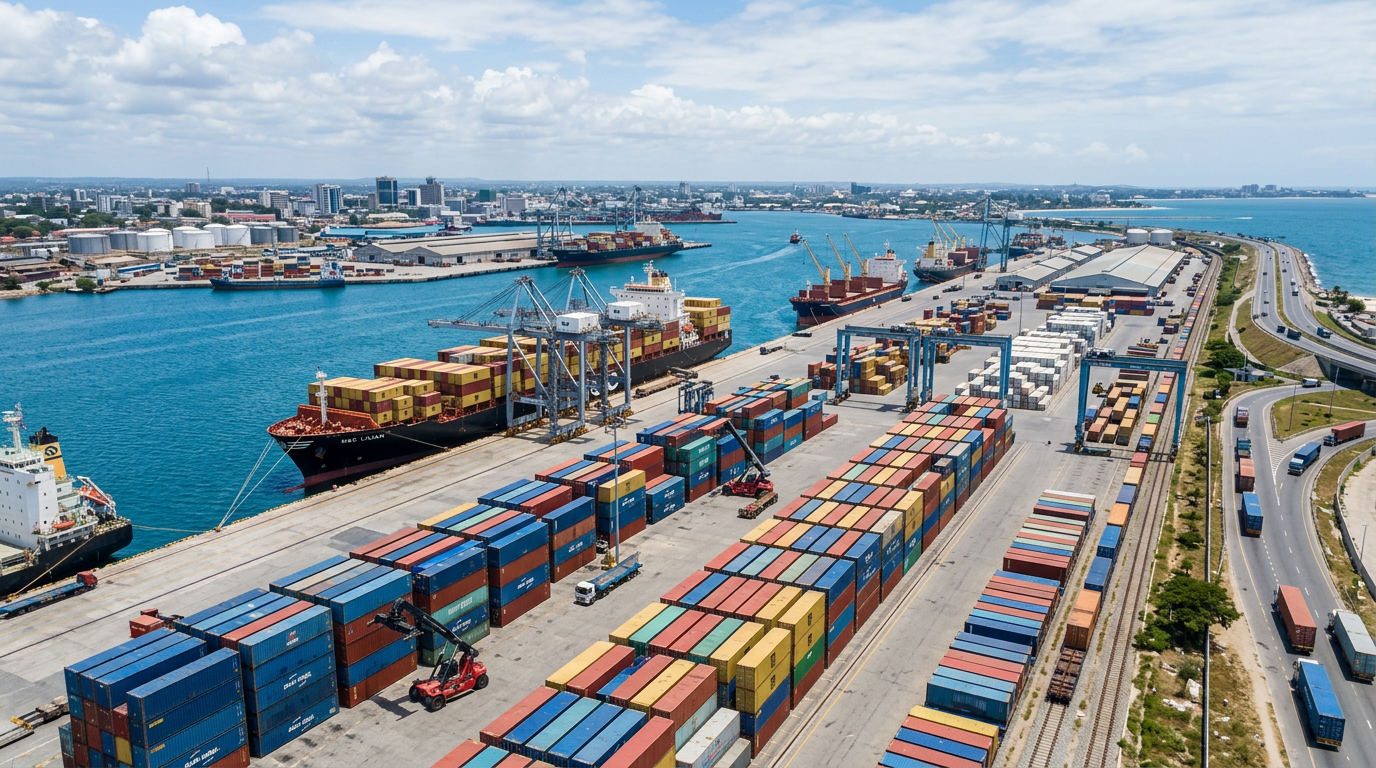
An analysis of Tanzania
Tanzania occupies a curious position in East African commercial discourse: too large to be ignored but consistently overlooked in favour of Kenya's more internationally visible startup scene and Uganda's more geopolitically discussed oil prospects. Yet Tanzania is East Africa's second-largest economy (after Kenya), has achieved consistent GDP growth of 6–7% for much of the past decade, is home to one of Africa's most extraordinary tourism industries, has significant natural gas reserves whose monetisation is proceeding, and has a population of 65 million growing rapidly. The opportunity is real and growing.
Economic Overview
Tanzania's economy has grown steadily and is more economically stable than several larger African peers. Political stability — Tanzania has had peaceful democratic transitions and has avoided the political turbulence that has disrupted economies like Zimbabwe or Ethiopia — provides a consistent business environment. Under President Samia Suluhu Hassan (who took office in 2021 following the death of President Magufuli), Tanzania has made significant moves toward greater economic openness: reinstating international flights and tourism that Magufuli's government had restricted, re-engaging with international development partners, and adopting a more investment-friendly posture than her predecessor.
The natural gas sector represents Tanzania's most significant medium-term economic transformation. Offshore gas discoveries in the Indian Ocean — estimated at 26+ trillion cubic feet — are among Africa's largest. The Tanzania LNG project, while delayed by complex international negotiations, represents potential export revenues that could transform Tanzania's fiscal position when operational. In the near term, domestic gas use for power generation is already reducing Tanzania's dependence on expensive liquid fuels for electricity generation.
Tourism: East Africa's Premier Nature Tourism Industry
Tanzania's tourism industry — centred on the Serengeti, Ngorongoro Crater, Kilimanjaro, Zanzibar, and the Selous — is East Africa's most extraordinary natural heritage endowment and generates approximately $2.5 billion in annual revenue. The tourism sector is also one of Tanzania's most significant employment generators, with the supply chain of accommodation, guiding, transport, food, and cultural services creating employment across formal and informal sectors. Tourism technology — online booking platforms, travel management services, digital marketing for accommodation providers — represents an increasingly active startup category as Tanzania's tourism sector goes digital.
The Digital Economy Opportunity
Tanzania's digital economy is earlier-stage than Kenya's but growing significantly. Mobile penetration exceeds 80%; M-Pesa (Vodacom Tanzania) has achieved extraordinary penetration — over 15 million active accounts — making Tanzania one of East Africa's most mobile-money-advanced markets. The digital foundation enables fintech, e-commerce, and digital services development at a scale that Tanzania's economic fundamentals justify.
The most significant digital opportunity in Tanzania is specifically Swahili-language content and services. Swahili is Tanzania's national language and one of East Africa's most widely spoken — yet the supply of professional Swahili-language digital content, business tools, and information services is dramatically lower than English-language equivalents. Companies that build for the Swahili-speaking majority — rather than the English-proficient minority that most digital services target — access a market of tens of millions of currently underserved users.
Key Opportunity Sectors
Agriculture (Tanzania is East Africa's agricultural surplus producer for key crops including maize, cassava, and rice, with significant agritech opportunity in yield improvement and market linkage); tourism technology (booking platforms, experiences, and hospitality management tools for the most visited natural heritage sites in Africa); financial inclusion (mobile money is established but credit, insurance, and savings products remain underserved for most of the population); and natural gas services (as the LNG infrastructure develops, opportunities for local content businesses, technical services companies, and community development around the gas corridor are growing).
Investment Climate
Tanzania's investment climate has improved under President Samia's administration following the Magufuli period's more restrictive posture. The Tanzania Investment Centre (TIC) provides investor facilitation services; several special economic zones offer tax and regulatory advantages; and the government has signalled greater openness to foreign investment than was the case 2017–2021. Primary challenges: infrastructure gaps outside Dar es Salaam; bureaucratic complexity that persists despite reform intentions; and the Swahili-language business environment that requires Swahili capability or local partnerships for effective operation. The country offers lower profile and lower competition for international investors than Kenya — which can be an advantage for those who invest the effort to engage effectively with its specific characteristics.